Category Archives: HotSearch

Delta Air Lines engine fire sparks mass evacuation at Orlando Airport

A Delta Air Lines flight scheduled to depart from Orlando to Atlanta was forced into an emergency evacuation on Monday after one of its engines caught fire shortly after pushback, triggering alarm among passengers and aviation authorities alike.

The Airbus A330, operating as Delta Flight 1213, had just left the gate at Orlando International Airport (MCO) around 11:06 a.m. when a burst of flames was seen shooting from its right-side engine tailpipe. Onboard were 282 passengers, 10 cabin crew, and two pilots.

Footage captured from inside the terminal by passenger Dylan Wallace shows an intense blaze flaring from the aircraft’s rear engine casing, prompting immediate intervention from ground staff and emergency responders.

“We’re calling fire trucks now!”
— audio from air traffic control captured by Broadcastify

Emergency slides were deployed within seconds. According to multiple passenger accounts, the evacuation was swift — taking “less than 10 seconds” for many to exit via the inflatable chutes. Some described it as “the most terrifying 10 seconds of my life.”

“A textbook evacuation”

Delta Air Lines issued a statement Monday afternoon, confirming that the evacuation was conducted “in accordance with safety protocols,” and that all passengers were safely returned to the terminal. “There were no injuries reported. We sincerely apologise to our customers for the experience,” the airline said.

The airline added that replacement flights would be arranged for affected passengers, with food and refreshments provided during the wait. The airline’s technical teams have launched a full inspection of the aircraft, and the cause of the fire remains under investigation.

Orlando International Airport confirmed that its emergency response was activated immediately. “The fire has been extinguished and the aircraft secured,” the airport said in a brief update. “A portion of the passengers evacuated via emergency slides as per protocol.”

Social media reaction: safety and politics collide

The incident quickly spread on social media, with the video of flames erupting from the engine receiving tens of thousands of views within hours. While many users praised the crew’s professionalism and calm response, others raised concerns about aviation maintenance standards and the rising frequency of aviation incidents in the United States.

Some comments blamed corporate cost-cutting for maintenance failures, while others drew political inferences:

“Funny how all these aircraft incidents started after Trump slashed the FAA budget and axed safety personnel.”
“Delta’s engine fire has nothing to do with air traffic control. It’s about maintenance, not radar.”

The FAA (Federal Aviation Administration) declined to comment on the political remarks but confirmed they are monitoring the incident closely and will participate in the technical review.

An unsettling trend?

The Orlando fire is the latest in a string of alarming aviation incidents in the US. Over the past two weeks alone, at least five fatal crashes involving smaller aircraft have been reported:

  • April 18: A private aircraft with three passengers crashed into the Platte River in Nebraska. All were killed.
  • April 19: Another small plane struck a high-voltage power line in Illinois and crashed into farmland. Four dead.
  • April 10: A sightseeing helicopter in New York’s Hudson River went down, killing a family of five and the pilot.
  • April 11 & 12: Two more light aircraft crashes in Florida and upstate New York claimed nine more lives.

According to NTSB data, the U.S. averages around 1,200 aviation incidents annually — about four per day — though the vast majority involve private or chartered aircraft. However, the public’s perception of airline safety is becoming increasingly fragile.

What caused the engine fire?

Aviation experts suggest the visible flames may have resulted from a fuel or oil leak igniting within the tailpipe — a potentially dangerous but not necessarily catastrophic failure if caught early.

Dr. Jonathan Morley, an aviation safety analyst, told BBC: “Tailpipe fires, while dramatic to look at, are not uncommon. What matters most is the response time. In this case, the evacuation was fast, orderly, and effective. That’s the real story.”

Delta Airlines, one of the “Big Three” U.S. carriers, has generally maintained a strong safety record. Nonetheless, Monday’s incident is expected to fuel calls for more transparency around maintenance protocols and safety inspections, particularly as airlines ramp up operations post-COVID.

As for the 282 passengers, they’ve been promised a replacement flight to Atlanta. But many say their next trip through the skies may come with a moment’s pause — and a glance at the engines.

#加拿大家园论坛

快讯:超速120公里撞死华裔牧师、烧成焦尸!保时捷司机无罪释放,法院疯了?

2019年春,温哥华南端的和平门边境口岸,在清晨的阳光下本应如常平静。那天,55岁的华裔牧师张武伟驾车停靠在99号高速终点线前,准备返回列治文的家。但一声巨响打破了边境的宁静,一辆保时捷卡宴以120公里时速冲进限速30公里的检查区,将他的汽车撞飞65米外,引发猛烈燃烧。张武伟被困车中,活活烧死。

五年后,这起震惊两国边境社区的致命车祸案有了“结局”——肇事司机辛格(Gurbinder Singh)被判无罪。理由:案发时精神失常。

这一判决像一桶冷水,浇灭了家属五年来的等待,也再次点燃公众对加拿大司法体系“精神健康免责机制”的愤怒与质疑。

一场“可以避免”的死亡

张武伟,1965年生于香港,曾任中学教师,移民加拿大后在列治文华人社区担任牧师,是当地侨界公认的“谦和仁慈之人”。案发当天,他只是前往美国取几本布道用的宗教书籍,却未曾想到,这趟短暂旅程将成为他生命的终点。

肇事司机辛格是来自美国华盛顿州的注册护士。根据庭审披露,他在事故前一天即出现幻听、妄想等严重精神症状,甚至脱光衣服走到户外,随后被医院收治并接受抗精神病药物治疗。但令人震惊的是,仅24小时后,他便被允许出院,并自行驾车前往边境口岸。

在那里,他以4倍车速冲入检查区,造成张武伟死亡。目击者描述事故现场如“地狱火海”,而法医报告最终确认,张并非当场死亡,而是被困于起火车辆中被活活烧死。

法官认定“无刑责”:一个制度漏洞?

2023年,辛格被正式控以“危险驾驶致死”罪名。但2025年4月,卑诗省法院法官丹尼尔·韦瑟利(Daniel Weatherly)却认定他“案发时精神状况严重受损,不具备法律责任能力”,驳回所有指控。

法庭采信了心理学专家米勒博士的证词。后者表示,辛格“因药效退散出现短暂精神错乱,失去判断力与控制能力”,这直接影响了他的行车行为。

问题是,公众真的能够接受这样一个解释吗?

辛格案再次揭开加拿大司法体系中精神错乱免责机制的敏感议题:在刑法第16条下,若被告因精神疾病而无法意识到自己的行为违法,法院可撤销刑责。这一制度旨在保护真正的精神疾病患者不被冤枉,但在实际执行中,却频频引发社会对“滥用免责”的担忧。

在张武伟案中,辛格并无精神病史,其家人也从未报告类似问题。他入院后并未全面披露症状,且医院未对其驾驶能力做出限制。为何这样一个在前一晚出现严重精神错乱迹象的病人,在无任何监管下就能次日驾车上路?这是医疗系统的漏洞,还是制度性风险的集中体现?

家属愤怒:我们的正义谁来还?

“他继续生活,我们却永远失去了爸爸。”判决宣布后,张武伟之子Solomon泣不成声。

张的遗孀也在接受采访时质问:“若他在住院时如实告诉医生,是否还能被允许出院?若医生采取措施,是否还能酿成这场悲剧?我们的信任换来了什么?”

张武伟家属强调,他们并不否认精神疾病的存在,但质疑该机制是否在没有足够医学证据下,被滥用于规避刑责。他们的呼声正代表了越来越多华人社区对“司法双重标准”的深切忧虑。

“精神错乱”成为挡箭牌?

近年来,加拿大关于“精神健康免责”判例频繁引发社会热议。尤其在涉及少数族裔受害者的案件中,更引发了对“司法系统是否对弱势社群提供足够保护”的反思。

法律学者乔安娜·吴(Joanna Wu)指出,加拿大刑法对“非刑责行为”认定标准存在一定弹性,在缺乏清晰“门槛”与透明评估机制的背景下,常常由法院“自由裁量”,极易出现争议性裁决。“问题不是制度本身,而是制度的执行者是否将其‘人性化’应用,还是‘技术性’套用。”

此外,在一些族裔社群看来,类似案件也暴露出加拿大制度对有色人种尤其是移民背景家庭的“结构性忽视”——他们缺乏足够法律资源,难以挑战专家证词,也难以参与公共话语权建构。

社会震荡:从边境到街头

张武伟案判决仅数日后,又一起类似事件震动大温社区。4月13日,素里台湾村三名华裔儿童被一辆疑似酒驾车辆撞飞,6岁女童不幸身亡。肇事司机虽被捕,但不久后竟被释放。

“这司法系统到底在保护谁?”一位受害者亲友愤怒质问。

事实上,无论是边境的烈焰火海,还是街头的血迹斑斑,每一次“无罪释放”的背后,受害者家庭都在崩溃边缘反复审问:法律不但没有惩罚加害者,甚至没能为死者保留最起码的尊严。


正义的温度,还能回归吗?

张武伟案不仅是一起交通事故,更像是一面镜子,映射出加拿大司法系统在道德责任与法律免责之间艰难摇摆的现实。

“在和平门燃烧的,不只是车辆,而是人们对制度的信任。”社区活动人士刘珊珊如是说。

或许,这不是一个简单的个案结案,而是一个制度性问号的开始。司法的目的是为了伸张正义,而非掩盖过错。在真正的制度修复与公共责任讨论展开之前,这一问号,将在受害者家属心中长久回响。

#加拿大家园论坛

BREAKING: Border Crisis Escalates — Americans Flee to Canada Amid Policy Backlash

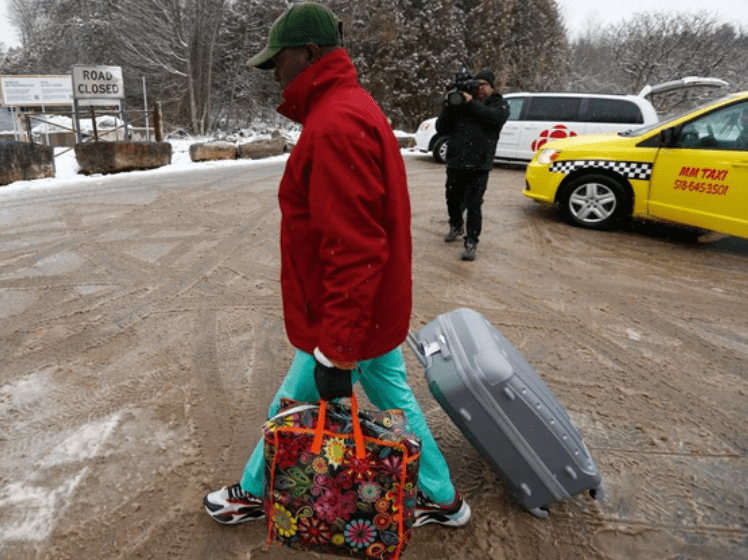
QUEBEC BORDER — A woman and two young children have gone missing in the dense woods straddling the Canada–U.S. border, triggering a full-scale search-and-rescue operation by Quebec provincial police and the Royal Canadian Mounted Police (RCMP).

They were last seen near Godmanchester, a rural town 65 kilometers southwest of Montreal, attempting to cross illegally into Canada.

Three others — two men and one woman — were apprehended late Wednesday night in the same area. According to RCMP spokesperson Sgt. Martina Pilarova, the detained individuals told officers their companions became separated in the forest during the crossing.

The group was fleeing the United States. All of them are transgender or non-binary.

A Flight for Identity

Their stories reflect a surge in border activity unseen since the early Trump era.

Since President Donald Trump’s return to the White House, the administration has dismantled protections for gender-diverse Americans, revoking the “X” gender option on federal IDs, restricting trans participation in the military and sports, and rescinding diversity and inclusion mandates across agencies.

That rollback has had real consequences.

“We never thought we’d have to leave the country,” said Salem Took, a trans resident of Maine. “But I don’t feel safe anymore. Not legally. Not physically. Not emotionally.”

Took and their partner are now considering selling their home, uprooting their children, and moving to New Brunswick.

They’re not alone.

The New Exodus: Americans at the Gates

According to the Canada Border Services Agency (CBSA), 557 asylum seekers — a record number — entered Quebec between April 1 and 6. That’s nearly equal to the entire total for January.

While many came from crisis-hit nations like Haiti and Venezuela, a striking number were American citizens, primarily LGBTQ+ individuals citing persecution under new U.S. federal policy.

In February and March alone, CBSA processed 755 and 1,356 asylum applications respectively at the Saint-Bernard-de-Lacolle crossing — a nearly 300% year-on-year increase.

And the number is still climbing.

“We are experiencing an unprecedented surge,” said a CBSA spokesperson in a statement Thursday. “Our contingency plans include temporary intake centers, staff redeployment, and coordination with provincial health services.”

Processing centers are now operating near border towns and in emergency shelters. Mobile courtrooms are being prepared.

Can a Canadian Visa Offer Safety from a Superpower?

Under current law, U.S. citizens may apply for asylum in Canada if they remain inside the country for 14 days. Immigration lawyers say they’re seeing a flood of consultations from American clients — especially transgender people — asking if political conditions back home could qualify as grounds for protection.

“There’s a real case to be made,” said immigration attorney Yamina Ansari. “If individuals can demonstrate that their identity puts them at risk of systemic harm, even in a country like the U.S., then Canadian asylum law has room for them.”

Calls are growing for fast-track exceptions for U.S.-based LGBTQ+ claimants.

But the legal process is complex, and Canada’s Immigration and Refugee Board (IRB) is already overwhelmed. Delays are stretching from months to years.

“Join Canada, Eh?”: When Satire Mirrors Reality

The growing migration wave has sparked both concern and mockery online. A parody website titled “Join Canada, Eh?” has gone viral, allowing Americans to “vote” which U.S. state should join Canada as its “11th province.”

Over one million people have cast votes. Leading the pack? Michigan, followed by Oregon, Vermont, and Maine.

“It’s satire,” said creator Corey Ross of Starvox Entertainment, “but it’s also how people process despair — with humor.”

Border Towns Overwhelmed — and Divided

In real terms, the influx is stretching the seams of Canadian border towns.

In Saint Andrews, New Brunswick, town officials report a sharp rise in asylum inquiries — particularly from American families. Locals are supportive, but anxious.

“We want to help,” said town councilor Linda M., “but we’re at capacity. We’re talking about housing, clinics, schools. Everything’s tight.”

Social media backlash has been swift. Hashtags like #CanadaIsFull and #SecureTheBorder are trending. Some users are demanding tighter controls.

“We can’t fix America’s problems,” wrote one Twitter user. “We can barely afford groceries ourselves.”

What’s Next?

With tensions rising and the border heating up, Canadian federal authorities have yet to announce a definitive stance on how to handle the growing number of U.S. claimants — especially those with no criminal history but complex identity-based claims.

Meanwhile, the missing woman and her two children remain unaccounted for as of Friday morning. Search crews are expanding their perimeter.

This is no longer a fringe issue. It’s a continental crisis unfolding in real time.

And for thousands of Americans, Canada is no longer just a neighbor — it’s an escape plan.

#加拿大家园论坛

突发! 大规模枪击案 “官二代”狂扫15枪屠杀 学生钻桌底躲子弹 满地鲜血 特朗普紧急发声!

美国再一次陷入枪声与哀悼之间的轮回。这一次,震中是佛罗里达州立大学(FSU),一所拥有超过7万人校园人口的高校。当地时间周四中午,一名年仅20岁的年轻人冲入学生会附近区域,开火长达数分钟,造成至少两人死亡、六人受伤——其中一人伤势危殆。更令人震惊的是,这名枪手竟是当地治安官员的儿子。

枪声响起:从学生会到图书馆,整个校园陷入恐慌

“我以为是施工的声音,‘哒哒哒’,很密集。”大四学生艾玛回忆当时情形时仍显惊恐,“直到有人尖叫‘有枪手!’我们才知道那是真正的子弹。”

枪击发生在中午12点左右,正值学生午餐时间。嫌犯菲尼克斯·伊克纳(Phoenix Ikner)身穿橙色T恤和卡其短裤,混迹在学生人群中,携带母亲的手枪,在校园中央区域至少开了15枪。据称他还一度持有一把散弹枪。

“我们30多个人一起躲在保龄球馆里,有人尖叫,有人哭。”传播系学生瑞安·塞德格伦说。另一位学生称在图书馆听到警报后,“人们像潮水一样奔逃,背包、食物散落一地。”

“他是我们的孩子”:警员之子,暴力阴影中的特权标签

事件发生后不久,警方确认其中一名枪手身份——菲尼克斯·伊克纳,治安官员的儿子。他使用的是母亲注册的枪支,并曾在社交媒体上发布神秘文字:“你是我的战争武器,我用你粉碎国家、摧毁王国。”这一段落出自《圣经》,但语境在此显得尤为刺耳。

“这不是一个‘精神病患者’,也不是‘边缘人’。”一位校内教授愤怒地表示,“他是系统的一部分,而不是系统的受害者。”

枪手的“家庭背景”已迅速引发舆论焦点。一边是愈发严峻的校园安全问题,另一边是“官二代”“警二代”的特权滥用忧虑。社交媒体上,“母亲的枪”“警官之子”等标签迅速登上热搜。

安全系统之殇:封锁、警报、身份口令,却挡不住子弹

根据校方通报,枪击发生第一时间便启动“就地避难”机制,全校师生被要求锁门关窗,等待警方清场。塔拉哈西警察局动用了代号“SEMINOLE”的身份确认口令,并在校园内迅速搜索枪手踪迹。

但有学生指出,尽管学校启动了应急机制,但“从警报响起到警察抵达,已经过去了好几分钟”,足够一名枪手实施杀戮。

“我们总是在亡羊补牢。”一位教育政策专家指出,“当每次事件都需要用‘紧急通报’和‘缅怀仪式’收尾,说明系统本身没有吸取任何教训。”

特朗普与德桑蒂斯发声,但“祈祷”能止血吗?

事件震惊全国。前总统特朗普发布声明称已获悉事态,并“为所有受害者祈祷”。佛罗里达州长罗恩·德桑蒂斯也在社交平台表示“深切悲痛”,并称“州执法部门正在积极应对”。

然而,在民众看来,这类“标准化表态”已经远远无法止住愤怒。

“从小学到大学,我们每年要演练三四次枪击逃生。我孩子不是来读书的,是来演实景逃命游戏的。”一位家长在镜头前情绪激动。

一名大四学生更是在被问及毕业打算时无奈回应:“我准备搬去加拿大,那里至少不用每月悼念一次‘校园血案’。”

枪支政治下的教育困局:教育部被削,校园却要自保?

仅在本周,美国多地已发生三起校园相关枪击案。这起FSU事件尤其引发关注,是该校十年来最严重的一起。早在2014年,该校图书馆也曾发生枪击,三人受伤,枪手被击毙。

讽刺的是,就在几周前,美国国会正辩论削减联邦教育部预算,部分保守派议员甚至建议将其完全取消。“当中央政府逐渐放弃对校园安全的责任,却依旧不肯在控枪议题上迈出一步。”一位前教育政策顾问坦言,“我们正在见证体制性崩塌。”

写在最后:一代人的心理创伤,谁来修复?

“我们这一代人,是在枪声中长大的。”事件发生后,FSU心理健康中心挤满了前来求助的学生。创伤、焦虑、失眠,成为校园生活的日常背景。

而人们也在问:下一个“校园枪击案”会在哪一天、哪一州、哪所学校?我们是否已经开始“默认”这种暴力是“美国日常”?或许,这才是这场悲剧最深层的寒意所在。

#加拿大家园论坛

Missed Tax Benefits! Canadians Losing $3 Billion Annually to the Government, with an Average Loss of $3,000 per Person

As Canada enters the final stretch of the tax season in mid-April, a widely discussed tax report has been released, revealing that hundreds of thousands of Canadians are unknowingly missing out on tax rebates and benefits. On average, each individual loses $3,000 annually, with a total of $3 billion being “given away” to the government each year.

This enormous “lost wealth” is largely attributed to the public’s general lack of understanding of tax policies, the complex design of the tax system, and the exclusion of certain social groups due to language and cultural barriers. While many people still have time to “reclaim” the money that rightfully belongs to them, they must first realize that these benefits are a right, not a favor.

Blind Spot 1: 65% of Canadians Don’t Know Tax Forms Can Be “Amended”

According to a national survey conducted by H&R Block this month, 65% of Canadians were unaware that they could amend their personal income tax returns for the past 10 years to claim missed deductions, tax credits, or benefits that they were entitled to but did not previously claim.

“The most shocking finding in our survey wasn’t what people missed; it was that they didn’t know they could make amendments,” said Yannick Lemay, a senior tax expert at H&R Block. “Many people still believe that once the tax filing deadline has passed, they can no longer make changes, which is completely wrong.”

According to the Canada Revenue Agency (CRA), individual taxpayers can use the T1 Adjustment Request (T1-ADJ) form to correct tax returns from up to 10 years ago, especially for missed tax credits, medical expenses, education costs, or family care expenditures.

Blind Spot 2: 72% of People “Don’t Bother to Amend” – Is It the Complexity of the System or Information Gap?

The report also highlighted that while some people are aware they can amend their tax returns, 72% of respondents stated they believed that amending old tax returns was “too much trouble,” and therefore chose to forgo potential benefits and rebates.

This has sparked further criticism of the CRA’s service system from both academics and tax professionals.

“It’s not just an issue of ‘not knowing,’ but a lack of trust in the entire tax system,” said Elena Jiang, an associate professor of public policy at UBC. “The government’s intention behind these tax credits was ‘social redistribution,’ but in reality, they have become opportunities that only the ‘information elite’ know how to take advantage of.”

According to Jiang, information gaps, tax burdens, and language and cultural barriers are key factors preventing low-income groups, immigrants, and younger people from claiming these benefits.

“You first have to know that the benefit exists, then know that you qualify, then know how to fill it out, and you also need to know that you can amend it… It’s a system with a very high information threshold,” she said.

Real-World Impact: Losing $3,000 – “This Could Have Helped Me Pay My Credit Card Bill Last Month”

“I was shocked,” said Lily Wang, a full-time mom from Toronto, in an interview. “I always thought the student loan interest credit was just a small number, but I had no idea that I could claim the interest I paid over the past five years, and even get a refund of a few hundred dollars.”

Wang had used H&R Block’s Second Look service at the recommendation of a friend and discovered that she could claim multiple expenses, including after-school psychological counseling and orthodontic treatment for her children, under medical expense tax credits (METC).

“I used to think filing taxes was just filling out software, and maybe I’d get a few hundred dollars back in GST/HST refunds. Now I realize, we’ve been ‘automatically waiving our rights’ this whole time,” she said.

Experts’ Overview: Top 10 Most Commonly Missed Tax Benefits in Canada – How Many Have You Missed?

H&R Block has compiled a list of the top 10 most commonly overlooked tax credits and deductions, many of which can be claimed retroactively through CRA amendments:

BenefitDescriptionAmount Refundable/Claimable
Childcare Expenses CreditUp to $8,000 for children under 7Up to $8,000 per child
Canada Workers Benefit (CWB)Tax credit for low-income workers$1,590 for single, $2,739 for families
Student Loan Interest CreditClaim interest paid on student loans for the past 5 yearsBased on actual interest paid
Medical Expense Tax Credit (METC)Dental, orthodontic, mental health costs, etc.No limit, 15% of eligible expenses
Moving Expenses DeductionMoving 40+ km for work or studyIncludes temporary accommodation, real estate fees, etc.
Home Accessibility Tax Credit (HATC)Modifications for seniors or people with disabilitiesUp to $3,000
Disability Tax Credit (DTC)Applies to conditions like ADHD, diabetes, etc.Up to $9,872, depending on the case
Tuition Tax CreditTransferable or cumulative indefinitelyUp to $5,000 per year transferable
First-Time Homebuyers’ Tax Credit (HBTC)Tax rebate for first-time homebuyersUp to $1,500
Caregiver Credit (CCC)For those caring for elderly or disabled family membersUp to $8,375

It’s important to note that many people mistakenly believe they don’t qualify for credits like the CWB or DTC because they “don’t earn enough.” However, these credits are not limited to low-income individuals.

“The most common misunderstanding we encounter is: ‘I don’t receive government benefits, so these credits don’t apply to me,’” Lemay explained. “In reality, as long as you have a job, children, family members, or loans, you may qualify for these credits.”

Language and Class Barriers: Information Inequality Creates “Financial Inequality”

An elderly immigrant from the Greater Vancouver area shared, “We used to rely on our son’s friend to help us with the tax filing, and no one ever told me that these credits were available.”

In her view, language barriers, lack of professional knowledge, and even a lack of trust in the government system have led many immigrant families to miss out on the support resources that rightfully belong to them.

Data shows that new immigrants and non-native English speakers are significantly more likely to make errors, omissions, or miss out on benefits compared to the general population.

“This isn’t about laziness; it’s that the system doesn’t take them into account,” said Professor Elena Jiang. “A truly fair tax system cannot only benefit the ‘information elite.’”

Still Time to Reclaim Missed Benefits: How to Apply for Retroactive Refunds

The CRA currently allows individuals to apply for retroactive credits or refunds using the following steps:

  1. Log into your CRA account and download/fill out the T1-ADJ form
  2. Specify the years and credits you wish to amend
  3. Attach supporting documents (e.g., receipts, medical bills, loan interest details)
  4. Choose to submit by mail or electronically
  5. Wait for CRA’s processing (typically several weeks to months)

Many tax services (such as H&R Block and TurboTax) also offer “historical review” services to help users reclaim misreported items from previous years.

Conclusion: The Government Won’t Tell You What You’re Entitled To

“You’re not missing out on benefits, you’re missing out on opportunities—the portion of your earnings that should rightfully be yours,” commented one Twitter user.

In the current climate of high inflation, rising living costs, and high interest rates in Canada, every refundable dollar is like “lifesaving water” for household finances.

If we’ve missed out in the past due to ignorance, negligence, or lack of time, it may be time to reassess our relationship with “taxes.” They’re not just cold government forms—they’re maps that hold the potential to unlock your wealth.

And you must learn to find the key yourself.

“I’m Not Trudeau” — Liberals Seek to Shed a Decade of Incumbency Baggage

OTTAWA — Mark Carney knew the comparison was inevitable. On stage at Canada’s first televised federal leaders’ debate, the former central banker-turned-political leader faced a direct attack from Conservative leader Pierre Poilievre: “Mr. Carney, your party has been in power for 10 years. You are like Trudeau. We need change.”

Carney responded swiftly, “You’re not Trudeau. I’m not Trudeau.” It was a calculated departure from the legacy of Prime Minister Justin Trudeau, under whom Carney once served as an informal economic adviser. Now, as leader of a Liberal Party seeking a fourth consecutive term, Carney must convince voters he represents continuity in experience—but a break from leadership fatigue.

A Technocrat’s Gamble

Mr. Carney, 59, comes to the campaign with a résumé few in Canadian politics can match. A former governor of both the Bank of Canada and the Bank of England, he has also served as UN Special Envoy on Climate Action and Finance. His entry into politics was long anticipated, but his timing presents both opportunities and constraints.

Facing a resurgent Conservative Party under Mr. Poilievre, who has capitalized on cost-of-living pressures and a growing skepticism toward federal institutions, Mr. Carney’s brand of calm technocratic leadership is being positioned as a stabilizing force amid rising global volatility.

But the perception that he is a policy architect behind the Liberal Party’s record—marked by ballooning deficits, high immigration targets, and an underperforming housing market—poses political risks.

“Carney represents a very different tone and policy orientation than Trudeau,” said Jennifer Welsh, a political science professor at McGill University. “But it’s not yet clear that voters will distinguish him from the broader Liberal record.”

A Decade in Power, and the Weight That Comes With It

Since 2015, the Liberal Party has overseen expansive social spending programs, a carbon pricing regime, and a foreign policy often aligned with multilateralism. The government also weathered a global pandemic and subsequent inflationary surge, both of which have tested its credibility with middle-class voters.

Public support has eroded in recent years. According to an Ipsos poll conducted earlier this month, 47% of respondents said it is time for a new party to govern, while only 28% expressed confidence in the Liberals’ ability to manage the economy.

In response, Mr. Carney has unveiled a platform focusing on what he calls “pragmatic growth”—a mix of green energy investment, targeted tax reform, and aggressive housing supply measures aimed at restoring affordability.

“I am not running on the past. I am running to build a resilient future,” Carney said during the debate, seeking to underline his economic credentials without defending every decision of the Trudeau years.

Conservatives Lean Into “Change” Message

Mr. Poilievre, for his part, has leaned heavily into the “time for change” narrative. In the debate, he attacked the Liberals on inflation, immigration policy, and public debt—topics where Carney’s prior roles make him both highly knowledgeable and politically vulnerable.

“Poilievre is betting that Carney can’t escape the Liberal shadow,” said Darrell Bricker, CEO of Ipsos Public Affairs. “Whether that’s fair or not is beside the point. What matters is whether voters believe in the distinction.”

Still, Mr. Carney’s “I’m not Trudeau” remark may prove pivotal. For some Liberal voters wary of a fourth Trudeau term but hesitant to back Poilievre, it offers a psychological off-ramp—an option to stay the course, with new leadership.

Markets Watching Closely

Bay Street and international investors are closely monitoring Carney’s performance. His global economic reputation lends credibility, especially in the eyes of institutional players concerned with Canada’s fiscal discipline and regulatory stability. But political capital, like market confidence, is easy to lose and hard to earn back.

The next leaders’ debate is expected in two weeks, where economic policy is again set to dominate. Until then, Mr. Carney’s balancing act—between insider and reformer, continuity and change—remains the defining tension of a high-stakes campaign.

#加拿大家园论坛

Title: Canadian Housing Market Cools Dramatically: Tariff Impact and Economic Uncertainty Cause Both Prices and Rent to Drop

As the trade war instigated by U.S. President Donald Trump continues to impact the global economy, Canada’s real estate market is experiencing unprecedented cooling. The latest data shows that not only have Canadian house prices been on the decline, but housing sales also plummeted in March, particularly in Alberta and Calgary, where rental prices have also seen the sharpest declines in the country. Real estate analysts and economists predict that the Canadian housing market will continue to face pressure in 2025, with even more challenges ahead this year.

Both Prices and Sales Drop: Canada’s Real Estate Winter

According to the Canadian Real Estate Association (CREA), in March 2025, national housing sales dropped 9.3% compared to the same month last year, and fell 4.8% from February. Compared to November 2024, sales plummeted by 20%. At the same time, the average house price also took a hit, dropping to 678,331 CAD, a 3.7% decrease from last year. This data marks a deep correction in the Canadian real estate market.

CREA’s senior economist Shaun Cathcart explained, “Earlier, the decline in sales was mainly due to uncertainty surrounding tariffs, but now the market has to directly face the real economic impacts of these policies. What we initially thought would be a strong rebound in 2025 now looks like it will be a flat market at best.”

Despite this gloomy outlook, CREA remains somewhat hopeful for 2026, predicting that national sales will increase by 2.9%, surpassing 496,000 units. However, this would still mark the fourth consecutive year the housing market fails to break the 500,000-unit barrier.

Calgary Rent Drops Drastically: The Fastest Decline in the Country

Similar to the housing market, the rental market has also been hit hard. According to Zumper’s latest report, Calgary’s rental prices saw the largest year-over-year drop in the country, with a 9.8% decrease. Kingston and Toronto followed with drops of 7.9% and 6.1%, respectively. This means Calgary’s rental prices are now ranked 15th in the country, with a noticeable difference compared to Edmonton, which ranks 21st with an average one-bedroom rent of just 1,300 CAD per month, down only 1.5% year-over-year.

Zumper’s report notes that Canada’s rental market has seen a dual decrease in both year-over-year and month-over-month figures for six consecutive months, indicating a cooling trend in the rental market. With increased supply and many renters choosing to stay put due to financial pressures, the downward trend in rents appears to be ongoing.

Uncertainty and Market Fatigue: What Lies Ahead for the Housing Market?

Amid global economic uncertainty and rising tariffs, Canada’s real estate market seems to be in a period of stagnation. According to TD Bank’s report, the national average house price is expected to drop by 3.2% in 2025, with a potential recovery of 4.8% in 2026. However, economists and real estate experts all point out that the underlying causes of this cooling, beyond tariffs, include factors such as global economic uncertainty, low consumer confidence, and high interest rates.

Clay Jarvis, a Canadian mortgage expert at NerdWallet, bluntly stated, “Although we all knew the housing market would be affected, a 20% drop since November of last year is still shocking.” He added, “April may be even worse, as the tariff situation is causing panic across many industries. The good news is that Trump recently announced the removal of some tariffs, which may encourage some buyers to return to the market before summer. Moreover, the current mortgage rates are still quite attractive, and people’s patience with these policies is limited. Once they tire of alarming headlines, they’ll likely continue buying homes, moving, and going about their lives.”

Looking Ahead: Cautiously Optimistic Future

Despite the current challenges facing the Canadian real estate market, some experts remain optimistic for a small recovery in 2026. TD Bank predicts that as tariff uncertainty gradually subsides, low interest rates persist, and the “pent-up demand” finally gets released, the market could see a rebound.

Nevertheless, the future remains uncertain. Whether Canada can overcome these external shocks and restore vitality to its real estate market is still an open question. For buyers, sellers, and investors observing the market, the current housing environment is undoubtedly challenging, but it also presents opportunities amidst the uncertainty.

闪电劫案震惊加拿大!Costco遭遇打劫,员工受伤,警方全城追捕

安大略省布兰普顿市一家Costco超市突发劫案,一群身份不明的嫌疑人砸碎珠宝柜台玻璃,抢走大量商品后迅速逃离现场,事件导致一名员工轻伤。警方正在展开全力调查,并呼吁知情者提供线索。

平静傍晚突发惊魂时刻

这起抢劫案发生在周一(4月14日)晚7点左右,地点为斯蒂尔斯大道和410号公路交汇处的一家大型Costco分店。该区域平日人流密集,是布兰普顿最繁忙的商业区之一。案发时正值晚高峰,店内顾客络绎不绝。

一段流传于社交媒体的视频显示,Costco内的珠宝柜台橱窗已经被砸碎,玻璃碎片四散。几位顾客在店内惊慌四散,有人拿出手机拍摄,有人迅速躲避。有人惊呼:“他们真的抢了Costco!”

据皮尔区警方表示,一群嫌疑人迅速冲向珠宝柜台实施抢劫,作案过程不到两分钟。一名试图阻止劫匪的员工在冲突中受了轻伤,事后已接受治疗,无生命危险。

Costco发言人回应:配合警方,全力支持员工

Costco方面在一份简短声明中证实了抢劫事件的发生,并表示正在配合警方调查。“我们对这起事件深感震惊,并将尽一切努力支持受伤员工。”发言人补充说,珠宝柜台当时有人值守,整个过程被监控摄像记录。

但在事件发生后,公众开始质疑Costco的安全措施。一名不愿具名的店员告诉记者:“我们这里一般不会发生这种事,珠宝柜虽然有玻璃罩和摄像头,但面对突然袭击完全来不及反应。”

警方调查全面展开,暂未公布嫌疑人身份

皮尔区警方至今未公布有关嫌疑人的详细描述,包括他们的外貌、人数或是否携带武器。警方仅表示,“这是一次有预谋、目标明确的抢劫行为。”目前,案件仍处于调查初期,呼吁任何在案发时位于店内或周边的民众提供目击信息或行车记录仪资料。

据警方内部人士透露,嫌疑人可能曾在数天前对珠宝柜台进行踩点。他们行动迅速、分工明确,显然经过精心策划。

专家解读:零售珠宝柜成“软目标”,安保体系待升级

加拿大零售安保协会的顾问大卫·马丁指出,大型超市内的珠宝柜台,往往被认为是“软目标”:“与独立珠宝店相比,这些柜台常缺乏专门保安与强化玻璃,依赖普通监控系统,面对团伙型袭击毫无还手之力。”

他补充说,此类抢劫案在疫情后略有上升趋势,尤其在城市郊区或交通枢纽附近的商圈。“这些地方逃逸通道多,监控盲区大,成为有组织犯罪团体眼中的理想目标。”

市民反应不一:有人呼吁加强安保,有人质疑应撤掉珠宝柜

事件发生后,本地社交媒体群组中议论纷纷。有市民表示震惊:“我刚去过那家Costco,简直不敢想象。”也有人质疑超市为何还在经营珠宝业务:“这是超市,不是珠宝店,谁会在这里买几千块的手表和项链?”

不过,也有人呼吁保持冷静:“毕竟这是一起孤立事件,但希望Costco加强安保,别让员工冒险。”

Costco目前在加拿大全国拥有超过100家分店,其中近半数设有珠宝柜台,销售钻石戒指、高档手表及金饰等贵重物品。

劫案背后反映的社会问题:城市治安与有组织犯罪抬头?

尽管加拿大整体犯罪率近年保持平稳,但大多伦多地区有组织抢劫和商铺盗窃案件在2024年略有上升。据皮尔区警方数据显示,2024年全市商业盗窃案同比增长8.7%,其中大部分集中于交通便利的大型购物区。

专家指出,这类案件暴露出零售系统对突发犯罪的脆弱性,也凸显了一线员工在缺乏安保训练与设备支持下的风险处境。

“我们不应让收银员去面对职业罪犯,”一位前警员评论道,“这是系统问题,需要企业和警方共同改善。”


结语:

随着调查的深入,这起布兰普顿Costco劫案可能揭示的不仅仅是一次单一犯罪行为,更可能触及零售安全、公众信任和城市治安维护的多重议题。在购物变得日常的同时,安全也不应被视为理所当然。

目前警方仍在调查此案,呼吁市民提供线索,联系电话:905-453-3311 或匿名拨打灭罪热线1-800-222-TIPS。

#加拿大家园论坛

“你纳税了吗?”:从一张卡尼照片,看加拿大政治如何玩“国籍牌”

这并非卡尼首次因“多国背景”成为攻击目标。他出生于加拿大,拥有爱尔兰血统,因此早年取得爱尔兰国籍;在担任英格兰银行行长期间,他基于职业需要获得英国国籍。他的妻子同样出生于英国,一家人近年来主要居住在渥太华。

但在保守党的语境中,这些合法而合理的背景,似乎足以构成“疏离加拿大”的证据。他们试图将卡尼描绘成一个“脚不沾地的全球化人”,类似于前自由党领袖迈克尔·伊格纳蒂夫(Michael Ignatieff)——一位曾在哈佛执教多年的学者,因“离加太久”而在选民中失分。

只是,卡尼并非伊格纳蒂夫。 他长期在加拿大财政部担任要职,后任加拿大银行行长。他的家始终留在渥太华,职业上虽履历全球,却始终在体制内承担公共职务。正如一位政治评论员指出:“保守党对卡尼的攻击更像是在借题发挥,而非真正质疑其纳税或身份合法性。”


📉 税单、护照与政治信任的隐形战线

这场“纳税门”风波,更广义上反映的是加拿大政治中一种微妙的不安:在民粹情绪升温的年代,选民越来越倾向质疑精英,尤其是那些曾在国际舞台活跃的‘外向型政治人物’。

保守党知道,卡尼的银行家背景既是其优势也是其软肋。对于经济困顿、房价高涨、医疗崩溃的民众来说,卡尼这种“金融全球化代言人”形象并不总能赢得好感。“他们希望选民将卡尼视为不在乎本国民生、缺乏归属感的人。”多伦多政治观察家朱利安·弗雷泽(Julian Fraser)分析。

与此同时,这也是加国政治中“纳税”被政治化的缩影。尽管卡尼的税务记录并无瑕疵,但只要存在“国籍多重”、“工作轨迹国际化”等背景,就足以成为被“标签化”的理由。


🧾 前车之鉴:谢尔、杜鲁多与“护照争议”

事实上,加拿大政界对领导人的第二护照并不陌生。2019年,时任保守党领袖安德鲁·谢尔(Andrew Scheer)被曝光持有美国国籍,引发媒体追问,为何未提前公开。谢尔最后承诺放弃国籍,但其“隐瞒”的印象始终未能洗清,间接影响了其选战表现。

自由党总理特鲁多虽然没有双重国籍,但也曾因“精英出身”遭遇类似质疑——比如他在教师生涯前,曾依赖家族资源进入演讲圈与慈善界,这一“非草根”经历也被对手拿来与“现实民生脱节”相挂钩。


🔍 总结:卡尼的挑战不是护照,而是叙事主导权

对卡尼而言,这场突如其来的质疑风波,既是提前曝光的“入局洗礼”,也是他未来若参选自由党领袖必须面对的试炼。

问题不在于他是否缴税、是否爱国,而在于他能否掌握自己身份的叙事权——是作为一个拥有国际经验的爱国者,还是被描述为与加拿大普通人“距离太远”的局外人。

在政治中,护照可以交回,税单可以公开,但“信任”只能靠时间与清晰表达赢得。

而这一点,或许正是保守党攻其一点不放松的深层原因。

#加拿大家园论坛

突发地震!逃命3秒钟生死决断!地震瞬间监控曝光:电脑飞了、吊灯狂晃、人全懵了

4月13日上午10点,一场突如其来的地震撼动了美国南加州。震中位于圣地亚哥县朱利安市以南约4公里,震级初报为6.7级,后经修正为5.2级。这场浅源地震(震源深度仅13.4公里)释放出的能量让2500万西海岸居民感受到地面的颤抖。

在短短数分钟内,至少有7次余震接踵而至,其中一次达3.9级。地震发生时,警报系统ShakeAlert和MyShake几乎同步发出通知,手机屏幕亮起“地震警报”字样,警铃尖锐,人群惊慌,有人从教室冲出,也有人在商场中夺门而逃。一名母亲毫不犹豫地抱起婴儿奔出家门,“我脑子一片空白,只知道必须跑。”

而此时,在地震中心以北约240公里的洛杉矶郡,不少人也感受到了强烈震感——窗户哗啦作响,墙上的画框掉落,一些停车中的车辆突然摇晃,让车主一度以为是刹车系统出故障。

这些震感,不仅来自地壳深处的能量释放,更像是一记心理重击——提醒人们,他们生活在全球最危险的地震带上:环太平洋火山地震带

一次地震,一整个太平洋的心跳

从缅甸到日本、从加州到BC省,近期地壳活动频繁。就在4月13日当天下午,加拿大BC省哈迪港海域也发生了一场4.1级地震,虽然震级不高,但时机敏感,令人心惊。

环太平洋火山地震带,是一个呈马蹄形分布的地质构造带,占全球地震活动的90%以上。它像一圈绷紧的弓弦,任何一个节点的弹跳,都可能是链式连锁的开始。

日本也未能幸免。几乎在北美震动同时,日本政府发布“巨大地震提醒”,中国驻日大使馆也紧急发出防灾通知。因为最新评估显示,日本南海海槽大地震在未来30年内发生的概率已从70%升至80%。若成真,或将造成近30万人死亡,经济损失达1.8万亿美元。而地震引发的海啸波还可能跨越东海,对中国华东沿海构成冲击,浪高可达3米。

科学家警告:任何一次地震都有可能是更大地震的前兆。按照概率模型分析,每次地震后发生更强余震的概率为5%。这看似不高的数字,却足以激起全民恐慌情绪的波澜。

地震焦虑症:从生理震感到心理地动

“我家收到了警报,但朋友在五公里外却完全没提示。”、“地震过去后我腿还是软的,哪怕只晃了几秒。”——这种在社交媒体上随处可见的反馈,构成了一种新型社会情绪:“环太平洋焦虑症”

这种焦虑,不只是地震带居民对灾难的不安,更是对政府应急系统能否保护自己、对自家准备是否充分、甚至对未来是否可预知的一种集体性心理震颤。

心理学家指出,灾难性事件触发的“预期性焦虑”极为常见。“不是地震让人最恐惧,而是我们不知道它会不会在下一秒来。” PTSD症状在地震多发区更为集中,尤其是经历过2011年日本大地震或2001年西雅图强震的人群。

焦虑症也成了一种家庭议题。越来越多的父母开始教育孩子如何在地震中“Drop, Cover, Hold on”(蹲下、掩护、抓牢),并准备“72小时应急包”。然而,心理上准备得再多,一旦灾难降临,许多人仍然手足无措。

技术能救命,还是让人更焦虑?

理论上,加州的ShakeAlert系统可在主震抵达前几秒到几十秒向手机发出预警。而BC省虽然也有类似系统,却常因信号延迟、精度不足或覆盖盲区而遭民众吐槽。

“我住在列治文,最近几次地震都没收到预警。等手机响时,灯都快掉下来了。”——这类评论不在少数。有人甚至戏称:“大地震来了,只能拼脚速了。”

地震预警的技术原理,是通过监测P波(初波)并预测S波(破坏波)的抵达时间。但对于浅源地震、近场震中区域,这几秒可能根本来不及反应。更令人担忧的是,一些设备接收不到警报,一些人则因过度依赖技术反而延误逃生时机。

在技术和现实的落差之间,民众的焦虑似乎变得更具体——“我知道地震会来,但我不知道它什么时候来;我知道有警报,但我不确定它会响。”

BC演习周:模拟不等于真实,但总比空白好

4月13日加州地震发生后不到48小时,BC省正式启动“海啸逃难演习周”。这项演习计划涉及大温沿海、温哥华岛、太平洋西北部等高风险区,旨在模拟强震及随之而来的海啸场景,提升公众避难效率。

据海洋网络研究机构预测,若卡斯卡迪亚俯冲带发生规模9级的大地震,温哥华岛西北部将在20分钟内遭遇海啸,浪高可达12米,流速超过每秒1.5米。而海啸将在3小时内抵达大温南三角洲和白石等地区。

但即便如此,演习的参与率却不尽理想。一项非正式调查显示,大温多数家庭对“应急包”没有准备,对所在区域是否属于海啸预警区也并不清楚。

“模拟永远比不上真正的恐惧真实,但没有准备只会让损失更大。”BC省政府反复呼吁居民参与演练,学习避难路线,明确“震后马上向高处转移”的第一反应原则。

焦虑也是一种准备:与地壳共存的智慧

或许,我们无法预测下一次地震在哪里、何时发生。但我们可以确定的是——它一定还会来。

环太平洋火环不是一个传说,而是一种生活状态。对生活在其上的居民来说,焦虑并非软弱的表现,而是求生的动力。焦虑让人记住逃生路线,让家庭备好手电筒、净水器、干粮和对讲机;焦虑催生出社区自组织的地震应急群、社交平台上的“地震直播”、甚至催生了“家庭防灾博主”这一新职业。

“地震无法预测,但我们可以选择如何面对。”一位加州应急专家在接受采访时说。“蹲下、掩护、抓牢”不只是技巧,更是面对恐惧时的一种勇气练习。

从加州到BC,从日本到中国东海,一整个太平洋都在微微颤抖。人类不能停止它,但或许可以学会与它共舞。