
As Canada enters the final stretch of the tax season in mid-April, a widely discussed tax report has been released, revealing that hundreds of thousands of Canadians are unknowingly missing out on tax rebates and benefits. On average, each individual loses $3,000 annually, with a total of $3 billion being “given away” to the government each year.
This enormous “lost wealth” is largely attributed to the public’s general lack of understanding of tax policies, the complex design of the tax system, and the exclusion of certain social groups due to language and cultural barriers. While many people still have time to “reclaim” the money that rightfully belongs to them, they must first realize that these benefits are a right, not a favor.
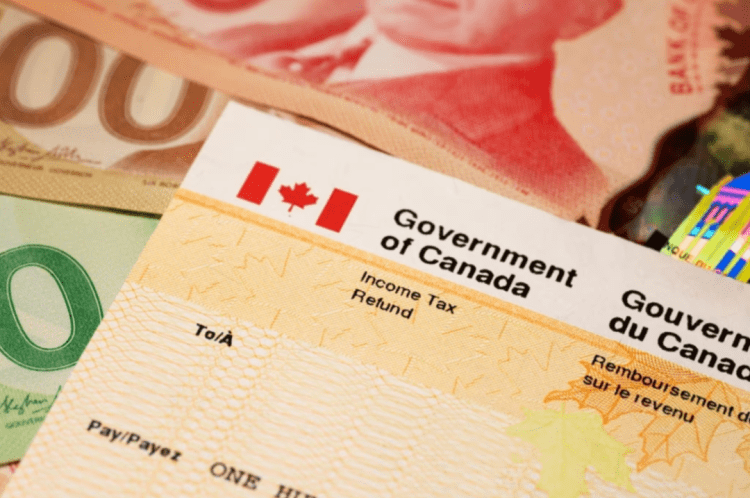
Blind Spot 1: 65% of Canadians Don’t Know Tax Forms Can Be “Amended”
According to a national survey conducted by H&R Block this month, 65% of Canadians were unaware that they could amend their personal income tax returns for the past 10 years to claim missed deductions, tax credits, or benefits that they were entitled to but did not previously claim.
“The most shocking finding in our survey wasn’t what people missed; it was that they didn’t know they could make amendments,” said Yannick Lemay, a senior tax expert at H&R Block. “Many people still believe that once the tax filing deadline has passed, they can no longer make changes, which is completely wrong.”
According to the Canada Revenue Agency (CRA), individual taxpayers can use the T1 Adjustment Request (T1-ADJ) form to correct tax returns from up to 10 years ago, especially for missed tax credits, medical expenses, education costs, or family care expenditures.
Blind Spot 2: 72% of People “Don’t Bother to Amend” – Is It the Complexity of the System or Information Gap?
The report also highlighted that while some people are aware they can amend their tax returns, 72% of respondents stated they believed that amending old tax returns was “too much trouble,” and therefore chose to forgo potential benefits and rebates.
This has sparked further criticism of the CRA’s service system from both academics and tax professionals.
“It’s not just an issue of ‘not knowing,’ but a lack of trust in the entire tax system,” said Elena Jiang, an associate professor of public policy at UBC. “The government’s intention behind these tax credits was ‘social redistribution,’ but in reality, they have become opportunities that only the ‘information elite’ know how to take advantage of.”
According to Jiang, information gaps, tax burdens, and language and cultural barriers are key factors preventing low-income groups, immigrants, and younger people from claiming these benefits.
“You first have to know that the benefit exists, then know that you qualify, then know how to fill it out, and you also need to know that you can amend it… It’s a system with a very high information threshold,” she said.
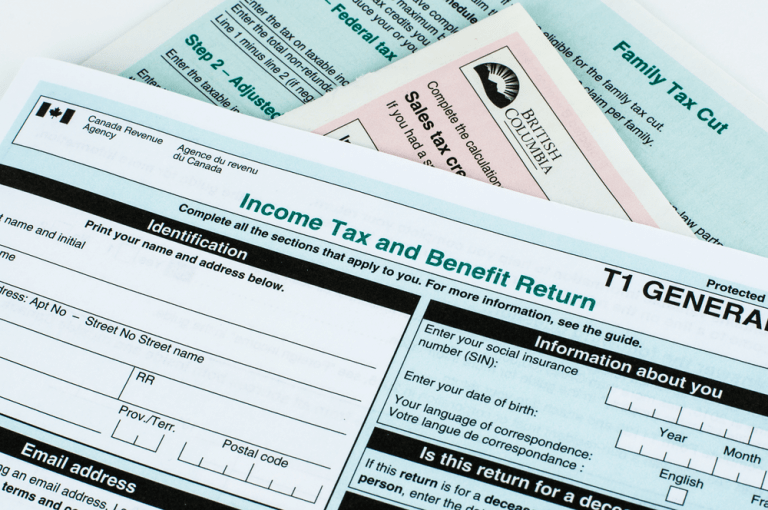
Real-World Impact: Losing $3,000 – “This Could Have Helped Me Pay My Credit Card Bill Last Month”
“I was shocked,” said Lily Wang, a full-time mom from Toronto, in an interview. “I always thought the student loan interest credit was just a small number, but I had no idea that I could claim the interest I paid over the past five years, and even get a refund of a few hundred dollars.”
Wang had used H&R Block’s Second Look service at the recommendation of a friend and discovered that she could claim multiple expenses, including after-school psychological counseling and orthodontic treatment for her children, under medical expense tax credits (METC).
“I used to think filing taxes was just filling out software, and maybe I’d get a few hundred dollars back in GST/HST refunds. Now I realize, we’ve been ‘automatically waiving our rights’ this whole time,” she said.
Experts’ Overview: Top 10 Most Commonly Missed Tax Benefits in Canada – How Many Have You Missed?
H&R Block has compiled a list of the top 10 most commonly overlooked tax credits and deductions, many of which can be claimed retroactively through CRA amendments:
| Benefit | Description | Amount Refundable/Claimable |
|---|---|---|
| Childcare Expenses Credit | Up to $8,000 for children under 7 | Up to $8,000 per child |
| Canada Workers Benefit (CWB) | Tax credit for low-income workers | $1,590 for single, $2,739 for families |
| Student Loan Interest Credit | Claim interest paid on student loans for the past 5 years | Based on actual interest paid |
| Medical Expense Tax Credit (METC) | Dental, orthodontic, mental health costs, etc. | No limit, 15% of eligible expenses |
| Moving Expenses Deduction | Moving 40+ km for work or study | Includes temporary accommodation, real estate fees, etc. |
| Home Accessibility Tax Credit (HATC) | Modifications for seniors or people with disabilities | Up to $3,000 |
| Disability Tax Credit (DTC) | Applies to conditions like ADHD, diabetes, etc. | Up to $9,872, depending on the case |
| Tuition Tax Credit | Transferable or cumulative indefinitely | Up to $5,000 per year transferable |
| First-Time Homebuyers’ Tax Credit (HBTC) | Tax rebate for first-time homebuyers | Up to $1,500 |
| Caregiver Credit (CCC) | For those caring for elderly or disabled family members | Up to $8,375 |
It’s important to note that many people mistakenly believe they don’t qualify for credits like the CWB or DTC because they “don’t earn enough.” However, these credits are not limited to low-income individuals.
“The most common misunderstanding we encounter is: ‘I don’t receive government benefits, so these credits don’t apply to me,’” Lemay explained. “In reality, as long as you have a job, children, family members, or loans, you may qualify for these credits.”
Language and Class Barriers: Information Inequality Creates “Financial Inequality”
An elderly immigrant from the Greater Vancouver area shared, “We used to rely on our son’s friend to help us with the tax filing, and no one ever told me that these credits were available.”
In her view, language barriers, lack of professional knowledge, and even a lack of trust in the government system have led many immigrant families to miss out on the support resources that rightfully belong to them.
Data shows that new immigrants and non-native English speakers are significantly more likely to make errors, omissions, or miss out on benefits compared to the general population.
“This isn’t about laziness; it’s that the system doesn’t take them into account,” said Professor Elena Jiang. “A truly fair tax system cannot only benefit the ‘information elite.’”

Still Time to Reclaim Missed Benefits: How to Apply for Retroactive Refunds
The CRA currently allows individuals to apply for retroactive credits or refunds using the following steps:
- Log into your CRA account and download/fill out the T1-ADJ form
- Specify the years and credits you wish to amend
- Attach supporting documents (e.g., receipts, medical bills, loan interest details)
- Choose to submit by mail or electronically
- Wait for CRA’s processing (typically several weeks to months)
Many tax services (such as H&R Block and TurboTax) also offer “historical review” services to help users reclaim misreported items from previous years.
Conclusion: The Government Won’t Tell You What You’re Entitled To
“You’re not missing out on benefits, you’re missing out on opportunities—the portion of your earnings that should rightfully be yours,” commented one Twitter user.
In the current climate of high inflation, rising living costs, and high interest rates in Canada, every refundable dollar is like “lifesaving water” for household finances.
If we’ve missed out in the past due to ignorance, negligence, or lack of time, it may be time to reassess our relationship with “taxes.” They’re not just cold government forms—they’re maps that hold the potential to unlock your wealth.
And you must learn to find the key yourself.
 加拿大家园论坛